
(이 글은 내가 14~15세 학생들을 대상으로, 언젠가 스타트업을 해보고 싶을지도 모르는 사람들이 지금 무엇을 하면 좋을지에 대해 했던 강연이다. 요즘 많은 학교들이 학생들에게 스타트업에 대해 뭔가를 가르쳐야 한다고 생각하는데, 이게 바로 내가 그들에게 말해주고 싶었던 내용이다.)
아마 대부분은 이른바 ‘현실 세계’로 나가게 되면, 결국 어떤 형태로든 직장을 가져야 할 거라고 생각하고 있을 것이다. 하지만 꼭 그렇지는 않다. 오늘 나는 평생 한 번도 직장을 다니지 않을 수도 있는 방법 하나를 이야기해보려 한다.
그 방법은 아주 단순하다. 자기 회사를 만드는 것이다. 물론 이게 일을 피하는 요령은 아니다. 오히려 자기 회사를 시작하면, 보통의 직장을 다닐 때보다 훨씬 더 많이 일하게 된다. 다만 상사가 시키는 일을 하는 것처럼, 직장에 딸려오는 여러 짜증 나는 것들은 상당 부분 피할 수 있다.
남의 프로젝트가 아니라 내가 진짜 하고 싶은 일을 하는 편이 훨씬 재미있다. 돈도 더 많이 벌 수 있다. 부자가 되는 가장 전형적인 경로가 바로 이 방식이다. 언론에 실리는 세계 최고 부자 목록을 보면, 그들 대부분은 자기 회사를 만든 사람들이다.
자기 회사를 만든다는 건, 동네 이발소를 여는 것부터 구글을 만드는 것까지 아주 넓은 범위를 포괄한다. 나는 그 스펙트럼 중에서도 가장 극단적인 쪽, 즉 구글을 만드는 쪽에 대해 이야기해보려 한다.
이 스펙트럼에서 구글 쪽 끝에 있는 회사들은, 처음에는 보통 ‘스타트업’이라고 불린다. 내가 이 세계를 잘 안다고 말할 수 있는 이유는, 아내 제시카와 함께 Y Combinator라는 일종의 스타트업 공장을 만들었기 때문이다. 2005년 이후 Y Combinator는 4,000개가 넘는 스타트업에 투자해 왔고, 지난 19년 동안 수많은 사람들이 회사를 시작하는 과정을 가까이에서 함께해왔다. 그래서 우리는 스타트업을 시작하는 데 무엇이 필요한지, 꽤 정확히 알고 있다.
내가 “구글을 만드는 법을 알려주겠다”고 했을 때, 농담이라고 느낀 사람도 있었을 것이다. “우리가 어떻게 구글을 만들 수 있겠어?”라고 생각했을지도 모른다. 하지만 사실 구글을 만든 사람들 역시 시작하기 전에는 똑같은 생각을 하고 있었다. 만약 Larry Page와 Sergey Brin에게, 그들이 곧 시작할 회사가 훗날 가치 1조 달러를 넘길 거라고 말했다면, 아마 그대로 얼어붙었을 것이다.
스타트업을 시작할 때 확실히 아는 건 거의 없다. 오직 하나, 지금 보기엔 해볼 만하다는 느낌뿐이다. 이게 수십억 달러짜리 회사로 커질지, 아니면 조용히 사라질지는 아무도 모른다. 그래서 내가 말하는 “구글을 만드는 법”이란, 구글이 처음 시작했을 때와 비슷한 확률을 가진 회사를 시작할 수 있는 지점까지 가는 방법을 뜻한다.
그럼 지금 있는 자리에서 어떻게 그런 지점까지 갈 수 있을까? 필요한 건 세 가지다. 첫째, 어떤 기술에 충분히 능숙해지는 것. 둘째, 무엇을 만들지에 대한 아이디어. 셋째, 그 일을 함께할 공동창업자다.
먼저 기술부터 보자. 기술은 어떻게 잘하게 될까? 그리고 어떤 기술을 선택해야 할까? 이 두 질문의 답은 사실 같다. 자기 프로젝트를 하는 것이다. 유전자 편집이 될지, LLM이 될지, 로켓이 될지, 어떤 기술이 가장 유망할지를 미리 맞히려 들지 마라. 그런 건 아무도 예측하지 못한다. 그냥 지금 가장 흥미로운 것을 해라. 흥미가 있는 대상에는, ‘해야 하니까’ 하는 일과는 비교할 수 없을 만큼의 에너지가 들어간다.
그래도 막막하다면, 프로그래밍부터 시작하면 된다. 지난 30년간 스타트업의 중심에는 거의 언제나 프로그래밍이 있었고, 앞으로 10년도 크게 달라지지 않을 가능성이 높다.
이미 학교에서 컴퓨터 과학 수업을 듣고 있다면 “우린 이미 프로그래밍을 배우고 있잖아”라고 생각할지도 모르겠다. 하지만 솔직히 말하면, 그걸로는 부족하다. 수업에서 배우는 것과 실제로 코드를 짜는 건 전혀 다른 일이다. 컴퓨터 과학 수업을 잘 듣고도 정작 프로그래밍은 거의 못 하는 사람들을 흔히 볼 수 있다. 심지어 최상위 대학에서 컴퓨터 과학 학위를 받고도 코딩을 못하는 경우도 있다. 그래서 기술 회사들은 학교나 성적과 상관없이 모두에게 코딩 테스트를 시킨다. 성적표가 실제 능력을 증명해주지 않는다는 걸 너무 잘 알고 있기 때문이다.
프로그래밍을 정말 잘하고 싶다면, 방법은 하나다. 자기 프로젝트를 하는 것이다. 그게 가장 빠르다. 게임을 만든다고 상상해 보자. 게임 안에 어떤 기능을 넣고 싶은데, 방법을 모른다. 그 순간의 학습 속도는 수업에서 뭘 배우는 것과 비교 자체가 되지 않는다.
물론 프로그래밍만이 전부는 아니다. 여기서 말하는 ‘기술’이란, ‘만들다’ 혹은 ‘구축하다’라는 말로 설명할 수 있는 거의 모든 것을 포함한다. 용접도 기술이고, 옷을 만드는 것도 기술이며, 영상을 만드는 것도 마찬가지다. 중요한 기준은 명확하다. 만들고 있는가, 아니면 소비만 하고 있는가. 게임을 만들고 있는가, 아니면 그냥 하고만 있는가. 그 선이 바로 경계다.
Apple의 창업자 Steve Jobs는 십대 시절 서예를 배웠다. 중세 필사본에서 보던, 그 아름다운 문자체 말이다. 그때는 그 누구도, 심지어 본인조차도 이게 커리어에 도움이 될 거라고 생각하지 않았다. 그저 재미있어서 했을 뿐이다. 하지만 이 경험은 나중에 결정적인 역할을 한다. Apple을 크게 만든 매킨토시는, 컴퓨터가 처음으로 인쇄물 같은 활자를 표현할 수 있게 된 순간에 등장했고, 이 지점에서 Apple은 경쟁사들을 압도했다. 그 이유 중 하나는 Steve가 당대 컴퓨터 업계에서 드물게 그래픽 디자인을 진짜로 이해한 사람이었기 때문이다.
프로젝트는 진지하지 않아도 된다. 가벼워도 괜찮다. 중요한 건 만드는 사람인 내가 신나야 한다는 것이다. 실제로 프로그래머의 90%는 게임을 만들면서 시작한다. 본인과 친구들이 좋아하니까, 그들이 쓰고 싶은 걸 만드는 것이다. 그리고 그게 바로, 언젠가 스타트업을 하고 싶다면 15살에 하고 있어야 할 일이다.
프로젝트는 하나일 필요도 없다. 여러 가지를 해보는 편이 오히려 좋다. Steve Jobs도 서예만 배운 게 아니었다. 전자공학도 함께 배웠고, 결과적으로 그게 훨씬 더 큰 자산이 됐다. 결국 핵심은 ‘진짜 흥미를 느끼는 것’을 따라가는 것이다.
이게 스타트업을 시작하기 위한 첫 번째 조건, 즉 어떤 기술에 능숙해지는 방법이다. 방식은 바이올린이나 축구와 다르지 않다. 연습이다. 만약 22살에 스타트업을 시작하고 싶은데, 지금부터 코드를 짜기 시작한다면, 창업할 즈음엔 최소 7년을 연습한 셈이 된다. 그리고 7년이면, 거의 모든 분야에서 충분히 잘할 수 있다.
이제 이렇게 가정해 보자. 당신은 22살이고, 기술도 꽤 잘하게 됐다. 그다음 질문은 이거다. 스타트업 아이디어는 어디서 나올까? 가장 어려워 보이는 지점일지도 모른다. “프로그래밍은 잘하는데, 어떻게 구글 같은 아이디어를 떠올리지?”라고 생각할 수 있다.
하지만 실제로는 그 반대다. 기술에 충분히 익숙해지면, 아이디어는 오히려 쉽게 보이기 시작한다. 어떤 기술을 정말 깊이 이해하고 나면, 세상을 볼 때 비어 있는 부분들이 희미한 점선처럼 드러난다. 기술 자체에서 빠져 있는 것들, 그리고 기술로 충분히 고칠 수 있는데도 여전히 방치된 문제들. 그 하나하나가 모두 스타트업의 씨앗이다.
우리 집 근처에, 문이 잘 닫히지 않는다는 안내문을 붙여 둔 가게가 있다. 그 표지판은 몇 년째 그대로 붙어 있다. 가게 사람들에겐 문이 걸리는 일이 마치 자연현상처럼 느껴질 것이다. 그래서 손님들에게 조심하라는 안내문만 붙여둔 채 그대로 둔다. 하지만 목수가 이 장면을 본다면 이렇게 생각할 것이다. “왜 걸리는 부분을 조금 깎지 않는 거지?”
프로그래밍에 능숙해지고 나면, 세상에 존재하는 모든 ‘빠진 소프트웨어’가 목수 눈에 걸리는 문처럼 선명하게 보이기 시작한다. 실제 사례를 하나 들어보자. 20세기 말까지만 해도 미국 대학들은 학생들의 이름과 연락처를 담은 종이 명부를 발간했다. 이 명부의 이름을 들으면, 내가 어떤 스타트업 이야기를 하려는지 바로 알 수 있을 것이다. 그 명부의 이름은 ‘페이스북’이었다. 학생 이름 옆에 사진이 붙어 있었기 때문이다.
2002년, Mark Zuckerberg가 하버드에 입학했을 때 학교는 여전히 이 페이스북을 온라인으로 옮기지 못하고 있었다. 기숙사 단위로는 이미 온라인 페이스북이 있었지만, 대학 전체를 아우르는 버전은 없었다. 학교 행정팀은 이 문제를 진지하게 논의하며 회의를 거듭하고 있었고, 아마 10년쯤 뒤에는 해결했을지도 모른다. 대부분의 학생들은 딱히 문제라고 느끼지도 않았다. 하지만 Mark는 프로그래머였다. 그는 이 상황을 보고 이렇게 생각한다. “이건 말이 안 되잖아. 하룻밤이면 고칠 수 있는데. 사람들이 각자 사진을 올리게 하고, 데이터를 한데 모아서 학교 전체 사이트로 만들면 끝이잖아.” 그래서 그는 실제로 그렇게 했다. 그리고 말 그대로 거의 하룻밤 만에 수천 명의 사용자가 생겼다.
물론 이때의 Facebook은 아직 스타트업이 아니었다. 그저 하나의 프로젝트였다. 다시 강조하지만, 프로젝트는 기술을 배우는 가장 좋은 방법일 뿐만 아니라, 스타트업 아이디어가 태어나는 최고의 토양이기도 하다.
Facebook만 그런 건 아니다. Apple과 Google 역시 모두 프로젝트로 시작했다. Apple은 애초에 회사를 만들겠다는 생각에서 출발하지 않았다. Steve Wozniak은 그냥 자기만의 컴퓨터를 만들고 싶었을 뿐이다. 그러다 Steve Jobs가 “이걸 다른 사람들에게 팔 수 있지 않을까?”라고 말하면서 회사가 되었다. 정확히 말하면, 그들이 처음에 판 건 컴퓨터가 아니라 컴퓨터 설계도였다. 지금 생각하면 꽤 허술해 보이는 출발이다.
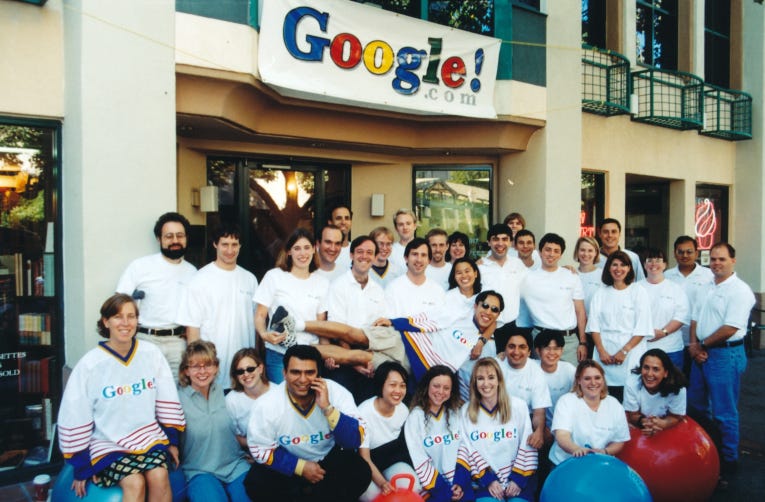
Google도 마찬가지였다. Larry와 Sergey 역시 처음부터 회사를 만들 생각은 없었다. 그들은 단지 검색을 더 잘 만들고 싶었다. Google 이전의 검색엔진들은 결과를 중요도 순으로 정렬하지 않았다. ‘rugby’를 검색하면 그 단어가 들어간 모든 웹페이지를 그대로 나열했다. 1997년 당시 웹은 아직 작았기 때문에, 이 방식도 어느 정도는 작동했다. 페이지 수가 20~30개 정도였으니까. 하지만 웹은 기하급수적으로 커지고 있었고, 그 말은 이 방식의 검색이 기하급수적으로 망가지고 있다는 뜻이었다. 대부분의 사용자는 이렇게만 느꼈다. “원하는 걸 찾으려면 결과를 너무 많이 뒤져야 하네.” 문이 걸리는 상황이다. 하지만 Larry와 Sergey 역시 프로그래머였다. Mark처럼 그들은 이 상황을 보고 이렇게 생각했다. “이건 이상하다. rugby에 관한 페이지 중에는 분명 더 중요한 것들이 있는데, 왜 그걸 먼저 보여주지 않는 거지?”
지금 돌이켜보면, 이게 위대한 스타트업 아이디어였다는 건 너무나 분명하다. 하지만 당시에는 전혀 그렇지 않았다. 언제나 그렇다. Apple이나 Google, Facebook을 시작하는 게 처음부터 명백히 좋은 아이디어였다면, 이미 다른 누군가가 먼저 했을 것이다. 그래서 최고의 스타트업은 대개, 스타트업을 만들겠다는 목표로 시작되지 않은 프로젝트에서 나온다. 회사를 세우려던 게 아니라, 그저 스스로 흥미를 느끼는 방향으로 손을 움직였을 뿐이다. 그리고 만약 당신이 젊고 기술에 능숙하다면, 무엇이 흥미로운지에 대한 무의식적인 감각은 무엇이 좋은 사업이 될지에 대한 의식적인 계산보다 훨씬 정확하다.
그래서 젊은 창업자에게 정말 중요한 건, 자기 자신과 친구들을 위해 무언가를 만드는 것이다. 가장 흔한 실수는, 정체를 알 수 없는 ‘어딘가의 다른 사람들’을 위해 무언가를 만드는 것이다. 반대로, 나와 친구들이 정말 쓰고 싶은 것을 만들 수 있다면 — 단순히 의리로 써주는 게 아니라, 서비스가 사라지면 진심으로 아쉬울 만큼 — 그 안에는 거의 확실하게 좋은 스타트업 아이디어의 씨앗이 들어 있다. 지금 당장은 스타트업처럼 보이지 않을 수도 있고, 수익 모델이 떠오르지 않을 수도 있다. 그래도 괜찮다. 방법은 나중에 반드시 생긴다.
스타트업 아이디어에 필요한 건 사실 하나뿐이다. 내 친구들이 실제로 원하는 것. 그게 전부다. 기술에 충분히 능숙해지고 나면, 그런 아이디어는 결코 찾기 어렵지 않다. 세상 곳곳에서 걸리는 문들이 보이기 시작한다.
이제 세 번째이자 마지막으로 필요한 요소를 이야기해보자. 공동창업자, 즉 코파운더다. 이상적인 스타트업은 보통 두세 명의 창업자로 시작한다. 그렇다면 공동창업자는 어디서 찾을까? 다음에 할 말을 이미 짐작했을지도 모르겠다. 그렇다, 프로젝트다. 공동창업자는 함께 프로젝트를 하며 만난다. 중요한 건 두 가지다. 자기 일을 잘하는 사람인지, 그리고 함께 일했을 때 잘 맞는지. 이건 말로는 알 수 없고, 실제로 같이 무언가를 만들어봐야만 알 수 있다.
여기서 아마 듣기 싫은 이야기를 하나 해야겠다. 학교 공부는 정말 중요하다. 외워서 치르는 과목이든, 문학 이야기를 길게 늘어놓는 수업이든 상관없다. 이유는 분명하다. 공부를 잘해야 좋은 대학에 갈 수 있고, 스타트업을 하고 싶다면 가능한 한 좋은 대학에 가는 편이 유리하다. 그곳에 좋은 공동창업자들이 있기 때문이다. 그리고 나중에 함께 일하게 될 뛰어난 동료들도 거기에 모여 있다. Larry와 Sergey가 Google을 시작했을 때 가장 먼저 한 일은, 스탠퍼드에서 자신들이 아는 가장 똑똑한 사람들을 채용하는 것이었고, 이는 결정적인 강점이 되었다.
이건 경험적으로도 명확하다. 성공적인 스타트업이 특히 많이 나오는 곳들을 살펴보면, 거의 그대로 입학이 가장 까다로운 대학들의 목록과 겹친다.
이게 대학 이름의 명성 때문이라고는 생각하지 않는다. 교육의 질이 특별히 더 좋아서도 아니다. 핵심은 단순하다. 들어가기가 어렵다는 사실 자체다. MIT나 케임브리지를 가려면 상당히 똑똑하고 끈질겨야 한다. 그래서 그곳에는 비슷한 성향을 가진 사람들이 자연스럽게 모인다.
물론 공동창업자를 꼭 대학에서 만나야 하는 건 아니다. Twitch의 창업자들은 일곱 살 때 만났고, Stripe의 창업자인 패트릭과 존 콜리슨은 태어날 때부터 알고 지낸 사이였다. 하지만 그럼에도 불구하고, 공동창업자가 가장 많이 나오는 곳은 여전히 대학이다. 그리고 공동창업자가 있는 곳에 아이디어도 있다. 가장 좋은 아이디어는 결국, 함께 프로젝트를 해온 사람들 사이에서 나온다.
그래서 지금 이 자리에서, 스타트업을 시작할 수 있는 지점까지 가기 위해 해야 할 일의 목록은 놀랄 만큼 간단하다. 첫째, 기술에 능숙해져라. 방법은 자기 프로젝트를 하는 것이다. 둘째, 학교 공부를 가능한 한 잘해 좋은 대학에 가라. 그곳에 공동창업자와 아이디어가 있다.
이게 전부다.
만들고, 공부하라. 두 가지만 하면 된다.
Thanks for reading Commits! Subscribe for free to receive new posts and support my work.